
Photography by Russell Dupont

January 3rd, 2020


..

.

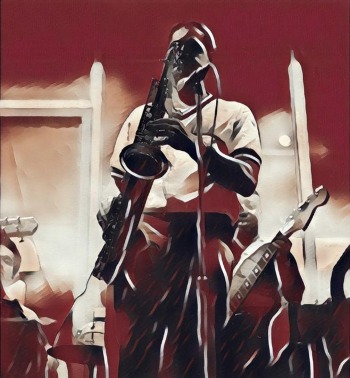
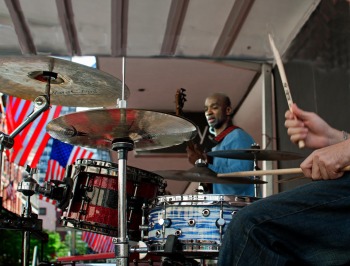
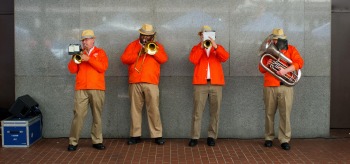
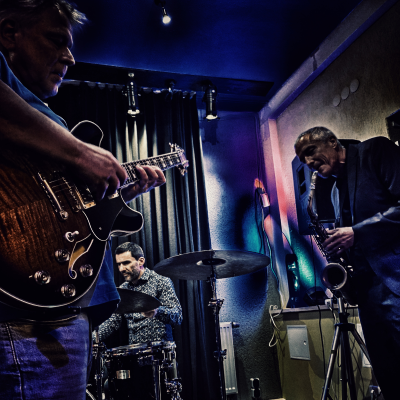
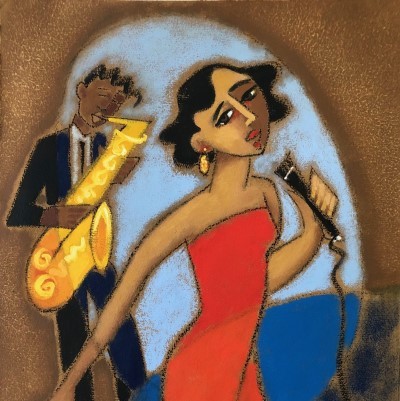
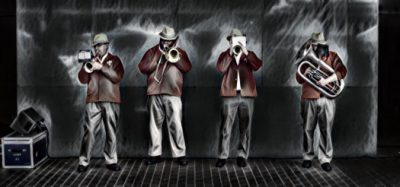
“Orange Quartet” by Russell Dupont

.

___

.

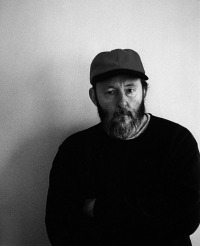
…..New England artist Russell Dupont possesses a great love of jazz, art and photography.  His paintings, prints and photographs have been widely exhibited, and are in a number of public and private collections, including the Print Collection of The Boston Public Library; The Art Collections of both Brigham & Women’s Hospital and The Dana Farber Cancer Institute. He is a former artist-in-residence at the Milton Art Museum, and his work was featured in the Fall collection of poetry on Jerry Jazz Musician, published in October.

…..Russell is also the author of two novels — King & Train and Waiting for the Turk; two chapbooks of poetry – Winter, 1948 and Establishing Home Plate; and two non-fiction chapbooks — Up in Wisconsin: Travels with Kinsley and There Is No Dam Now At Richford.

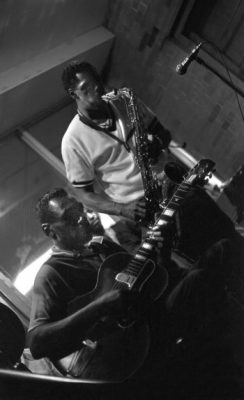
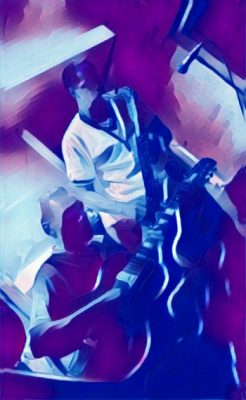
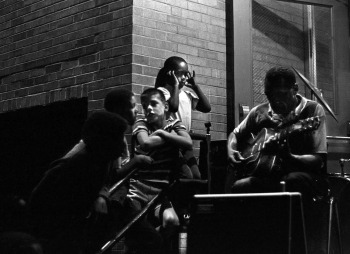
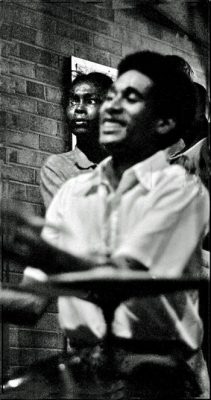
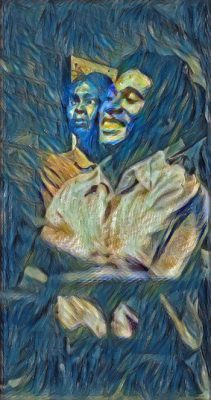
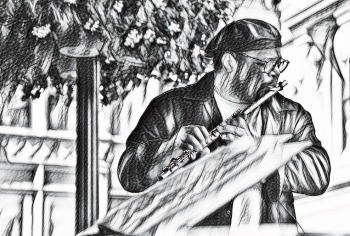
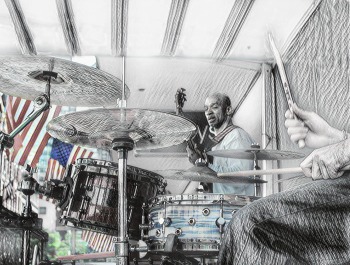
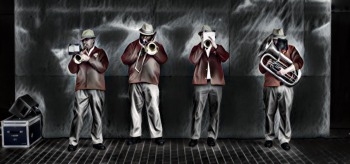
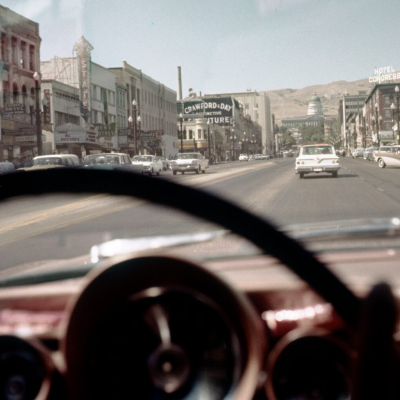
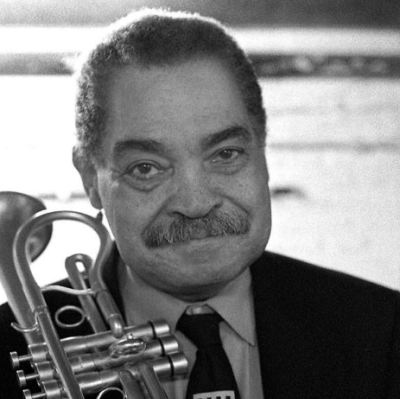
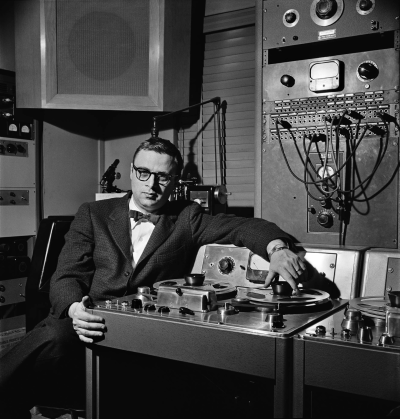
…..Th The “before and after” work featured in this post utilizes a combination of Russell’s love for jazz, art, and photography, and when combined with modern digital technology, results in a rare way to experience the art of the music.

…..Russell introduces his work…

.

.
.

“Come on babe
why don’t we paint the town,
and all that Jazz”

[Music by John Kander
and Lyrics by Fred Ebb]


.

___

.


…..I had the fortune to grow up around uncles, not much older than I, who had an intense interest in jazz and passed that along to me. At first, I didn’t have a clue when they spoke about a “Bird” or a “Monk,” or some guy they called “Cannonball.”  But eventually, I began to absorb and even understand some of what they were talking about and listening to. Around the same time, when I was in my teens, I picked up a camera and began photographing my friends and walking the streets of Boston taking pictures.

…..Somewhere along the way, I saw some photos by a photographer, William Claxton; photos of the same artists whose records my uncles played. Years later, I experienced the same surge of excitement when I looked at the jazz collages of an artist named Romare Bearden and something clicked — the realization that jazz and art were intimately connected.

…..Boston had a pretty lively jazz scene at the time, along with an iconic radio personality, Norm Nathan, whose show “Sounds in the Night’ lulled me to sleep but it never would have dawned on me to walk into The Hi-Hat or Wally’s, pull out my camera and star snapping pictures.

…..I heard that, on a few summer nights, a group of three or four guys got together on the front steps on one of the buildings in the notorious Columbia Point Housing Project and played jazz. I lived a short walk away in South Boston, picked up my camera and wandered over one evening. Four of those photos appear here. The other four were taken one summer day when I stumbled across a jazz “festival” set up outside of the Jordan Marsh Department Store in Boston.

…..My photographic style at that time was straight-up, get-in-your-face photography; but I remember reading a quote by some famous photographer — “The photo is only the beginning” — and began “playing” with my photos; painting over them, cutting them up for montages, altering them in different ways; often tedious work when my darkroom was in the bathroom and I had to wait until my children were in bed before getting to work.

…..Then, computers and programs like Photoshop arrived and I found a multitude of ways to alter, enhance, change some of the photos I took. The photos here represent my love of jazz, my love of art and my love of photography.

.

-Russell Dupont

.

.

___

.

.

The “Columbia Point” Photographs

.
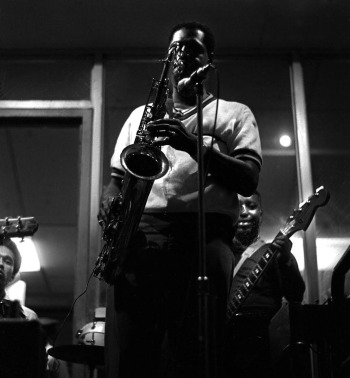
“Sax”

.

“Um Abraco No Getz”

.

“Groovin'”

.

“Drummer”


.


The “Jazz Festival” Photographs


.
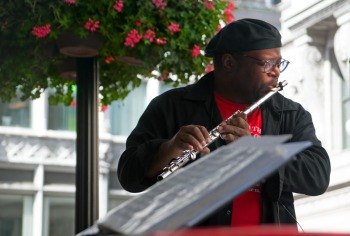
“Bamboo Flute Blues”

.

“Combo”

.


“Flutist”

.

“Orange Quartet”

.

___

.

.

All photographs copyright Russell Dupont

For more information about Russell’s work, visit his website by clicking here

.

.

.



Share this:

Comment on this article:

Your email address will not be published. Required fields are marked *

Site Archive

Your Support is Appreciated

Jerry Jazz Musician has been commercial-free since its inception in 1999. Your generous donation helps it remain that way. Thanks very much for your kind consideration.

Click here to read about plans for the future of Jerry Jazz Musician.

In this Issue

Announcing the publication of Volume II of Kinds of Cool: An Interactive Collection of Jazz Poetry...The second edition of Kinds of Cool, an Interactive Collection of Jazz Poetry has just been published, and is now available for sale on Amazon.com. This edition is dedicated to publishing women poets from all over the world who share their personal passion for and relationship with jazz music, and the culture it interacts with. With a foreword by Allison Miller, one of the world’s most eminent jazz drummers, and photography and design by Rhonda R. Dorsett

Poetry

Andrzej Barabasz, CC BY-SA 4.0, via Wikimedia Commons
21 jazz poems on the 21st of June, 2026...An ongoing series designed to share the quality of jazz poetry continuously submitted to Jerry Jazz Musician. In this edition…An eclectic mix of poetic styles and subjects display a collective love for the music and culture at the core of this creative community.

The Sunday Poem

The Sunday Poem: “Dizzy in Greece” by George Kalamaras

The Sunday Poem is published weekly, and strives to include the poet reading their work...

George Kalamaras reads his poem at its conclusion.


Click here to read previous editions of The Sunday Poem

Performance

The performance poet Emmett Wheatfall
A Letter from the Editor…On “The Weary Blues: Celebrating Langston Hughes and the Harlem Renaissance”A brief recap and photos of the February 7, 2026 Jerry Jazz Musician-produced performance of “The Weary Blues: Celebrating Langston Hughes and the Harlem Renaissance”

Interview

photo of Billie Holiday by William Gottlieb/Library of Congress
Interview with Paul Alexander, author of Bitter Crop: The Heartache and Triumph of Billie Holiday’s Last Year...The author talks about the courage and resilience of the legendary Lady Day, and his outstanding book – an inspirational and revealing portrait of an iconic American, that, like his subject, exudes compassion and creative soul.

Feature

Book Excerpt from Crossing Bar Lines: The Politics and Practices of Black Musical Space, by James Gordon Williams...In this entire chapter from his book, the author explains how the trumpeter Ambrose Akinmusire expresses his political views and lived geography through his improvisational music, notably his critique of police brutality that has, as he states, “become a leitmotif throughout my albums.”

Poetry

Yves Moch, CC BY-SA 3.0, via Wikimedia Commons
“Remembering Sonny Rollins” – a collection of poetry...Over the years, many poems have been published on Jerry Jazz Musician that were written in reverence of the man we refer to simply as “Sonny.” In the wake of his death, many more have been written. The unsolicited poems making up this collection is an example.

Short Fiction

Photo by Johannes Schröter, via Pexels
Short Fiction Contest-winning story #71 – “Where the Music Wasn’t Allowed,” by Jane McCarthy....The award-winning story is about a young immigrant growing up in Southern California to the sound of music seeping into his family’s home from an upstairs neighbor’s piano, shaping the boy’s understanding of memory, family, belonging, and the improvisational ethics of music.

Interview

photo by Warren Fowler
Interview with John Gennari, author of The Jazz Barn: Music Inn, the Berkshires, and the Place of Jazz in American Life...The author discusses how in the 1950s the Berkshires – historic home to the likes of Hawthorne, Melville, Wharton, Rockwell, and Tanglewood – became a crucial space for the performance, study, and mainstreaming of jazz, and eventually an epicenter of the genre’s avant-garde.

Short Fiction

“The Cartographer” – a short story by Timothy Collyer...The story – a finalist in the recently concluded 71st Short Fiction Contest – is a work of speculative fiction about the gentrification of memory. It follows a recovering alcoholic who is building a guerrilla augmented-reality map of Philadelphia’s lost jazz history—specifically the “Blue Note” era of the 1960s—while battling a corporate developer who wants to sanitize the data for tourists.

Feature

Memorable Quotes: Abraham Lincoln..."I like to see a man proud of the place in which he lives..."

Community

Ricky Esquivel/Pexels.com
Community Bookshelf #6...“Community Bookshelf” is a twice-yearly space where writers who have been published on Jerry Jazz Musician can share news about their recently authored books and/or recordings. This edition includes information about books published within the last six months or so (September, 2025 – March, 2026)

Poetry

Six poets write eight poems (in the midst of our times)...Poets within this community of writers are feeling this moment in time, and writing about it. This collection is another example.

Short Fiction

collage by Judith Beth Cohen
“The Eating Club” – a short story by Judith Beth Cohen...The story – a short-listed entry in the recently concluded 71st Short Fiction Contest – centers on an affair two writers share around gourmet meals.

Poetry

Peter Buitelaar, CC BY 2.0 , via Wikimedia Commons
Two Poems for Miles Davis

Feature

photo by Laura Stanley via Pexels.com.
Trading Fours, with Douglas Cole, No. 28: “Little Samba”...Trading Fours with Douglas Cole is an occasional series of the writer’s poetic interpretations of jazz recordings and film. This edition is based largely on a documentary – They Shot the Piano Player – about Tenório Junior, a Latin jazz musician who only produced one album (1964) before he “disappeared” in 1976.

Short Fiction

“Where even music breaks down” – a short story by Gary Bolick...In this story – a short-listed entry in our recently concluded 71st Short Fiction Contest – a young man who was “given away” by his father to be raised and nurtured by his uncle opens a box left to him after the death of his uncle. In it he finds letters and a tape of astounding music his father made, offering the son a glimpse at the loneliness and alienation his father endured.

Jazz History Quiz

Besides being one of the first to be influenced by Charlie Christian (pictured), in 1944 this electric guitarist employed Charlie Parker on his first recording date and eventually led an R&B-oriented group “The Rockin’ Highlanders” that featured the saxophonist Red Prysock. Who is he?

Poetry

Poems on Charlie “Bird” Parker (inspired by a painting by Al Summ) – an ekphrastic poetry collection...A collection of 25 poems inspired by the painting of Charlie Parker by the artist Al Summ.

Contributing Writers

Click the image to view the writers, poets and artists whose work has been published on Jerry Jazz Musician, and find links to their work

Coming Soon

New poetry collections, Jazz History Quiz, and lots of short fiction; poetry; photography; interviews; playlists; and much more in the works...

Interview Archive

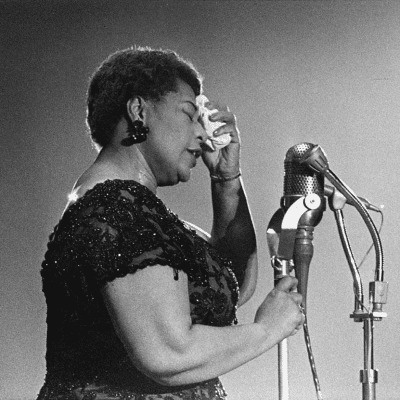
Ella Fitzgerald/IISG, CC BY-SA 2.0 , via Wikimedia Commons
Click to view the complete 25-year archive of Jerry Jazz Musician interviews, including those recently published with Judith Tick on Ella Fitzgerald (pictured),; Laura Flam and Emily Sieu Liebowitz on the Girl Groups of the 60's; Tad Richards on Small Group Swing; Stephanie Stein Crease on Chick Webb; Brent Hayes Edwards on Henry Threadgill; Richard Koloda on Albert Ayler; Glenn Mott on Stanley Crouch; Richard Carlin and Ken Bloom on Eubie Blake; Richard Brent Turner on jazz and Islam; Alyn Shipton on the art of jazz; Shawn Levy on the original queens of standup comedy; Travis Atria on the expatriate trumpeter Arthur Briggs; Kitt Shapiro on her life with her mother, Eartha Kitt; Will Friedwald on Nat King Cole; Wayne Enstice on the drummer Dottie Dodgion; the drummer Joe La Barbera on Bill Evans; Philip Clark on Dave Brubeck; Nicholas Buccola on James Baldwin and William F. Buckley; Ricky Riccardi on Louis Armstrong; Dan Morgenstern and Christian Sands on Erroll Garner; Maria Golia on Ornette Coleman.